Welcome to the
European Cleft Organisation (ECO)
A nonprofit committed to ensuring that every person born with a cleft lip and/or palate in Europe has access to high-quality healthcare, comprehensive support, and the opportunity to lead a fulfilling life. Together, we can close the gaps in care, knowledge, and advocacy.

ABOUT US
Our Vision
A world where every person born with a cleft has access to high-quality healthcare, social support and education, enabling them to lead fulfilling lives with fair and inclusive opportunities.
Our Mission
ECO is a nonprofit organisation dedicated to improving the lives of individuals born with clefts by improving access to multidisciplinary healthcare and ensuring they and their families receive comprehensive support both within and beyond the medical environment.

Resources
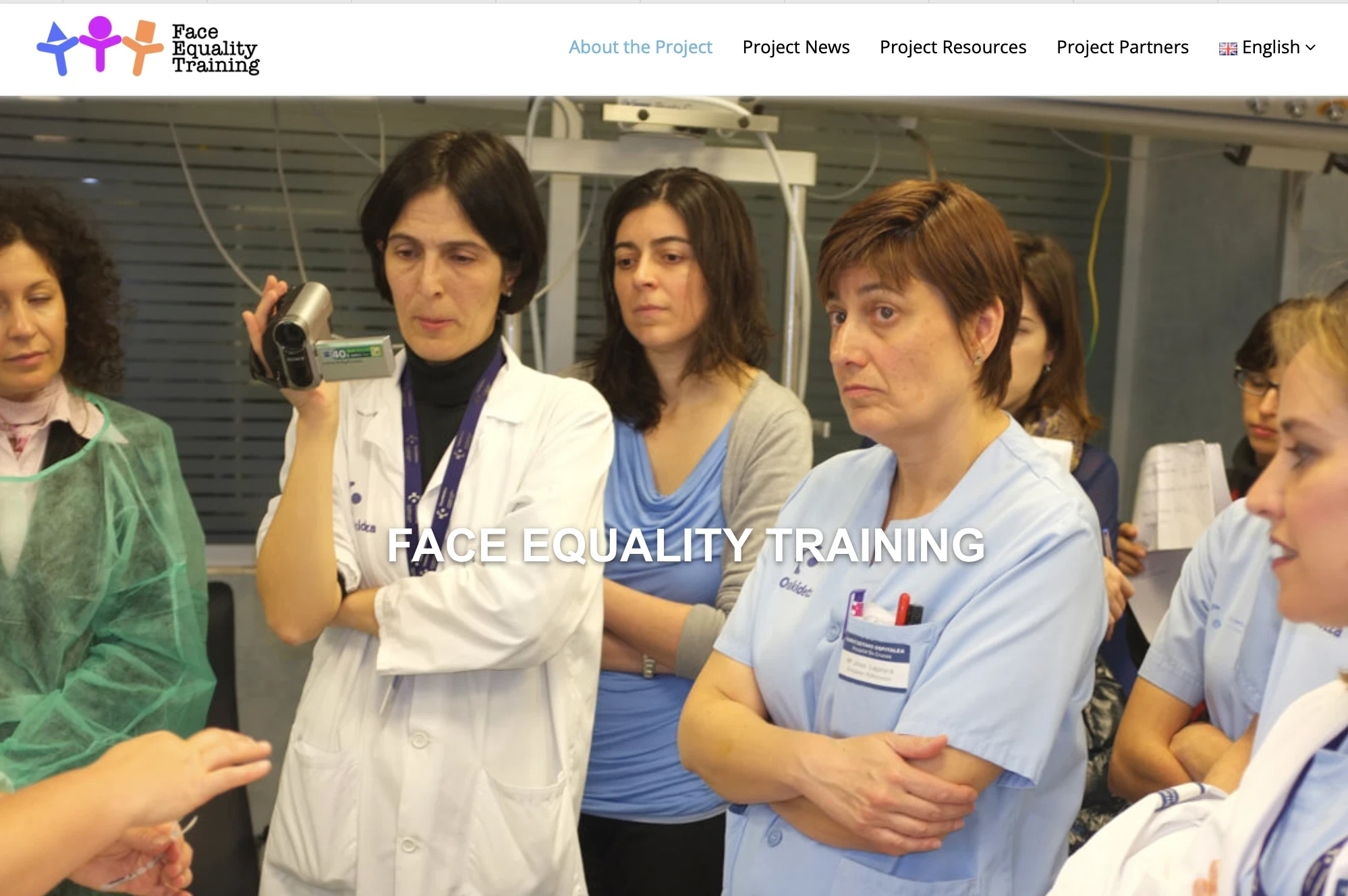
At ECO, we are committed to improving cleft care by sharing knowledge, connecting professionals, and supporting families. Our resources include EU-validated Early Care Guidelines and specialised training programmes tailored for healthcare providers, educators, NGOs, and parents.
PROJECTS
CURRENT PROJECTS
At the European Cleft Organisation (ECO), our projects are designed to create lasting change in cleft care across Europe and beyond. We work with partners from the medical, academic, NGO, and patient communities to develop practical solutions that address real challenges faced by individuals born with cleft lip and/or palate.
Solutions Group: Patient Coordination in Comprehensive Cleft Care
ECO will participate in Solutions Group 2: Patient Coordination in Comprehensive Cleft Care (CCC), as part of Circle of Cleft Professionals Solutions for Comprehensive Cleft Care Conference 2027: Behind the Scenes, Into the Spotlight, an initiative bringing greater visibility to essential but often under-recognised work in cleft care.
What is Cleft
Understanding Cleft Lip and Palate
Cleft lip and/or palate is a common congenital condition that occurs when parts of the lip or roof of the mouth don’t join during early pregnancy. It can affect feeding, speech, hearing, and social wellbeing.